
For Grown-Ups Reading
The Dragon’s Journey
Every family is different. These are a few gentle ideas that helped in our house during nighttime worries and hard bedtimes.
Take what works and leave the rest.
The Comfort Object
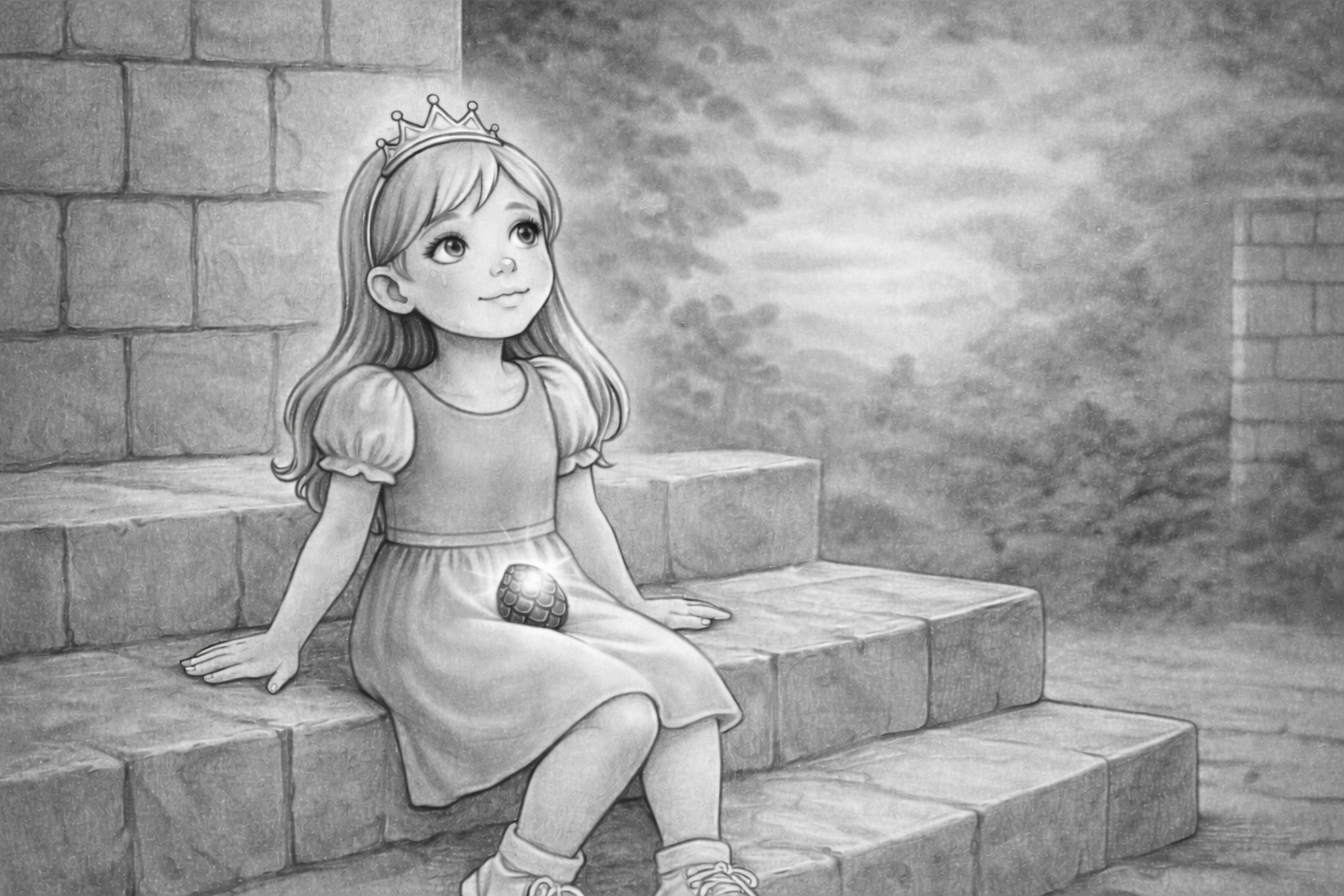
When a child's main source of comfort isn't available — a parent at work, a friend who moved away, a beloved pet — the absence can feel overwhelming. A small physical object connected to that person or feeling can act as a real anchor during hard moments.
Find something small your child can carry — a smooth stone, a piece of fabric, a simple bracelet — and give it meaning together. Tell them it holds something real: your love, a memory, a feeling of safety. When the big feeling comes, the object gives their hands and body something to do while their emotions settle. It doesn't replace the comfort they're missing. It just makes the missing feel less lonely.
Say It Before You Do It
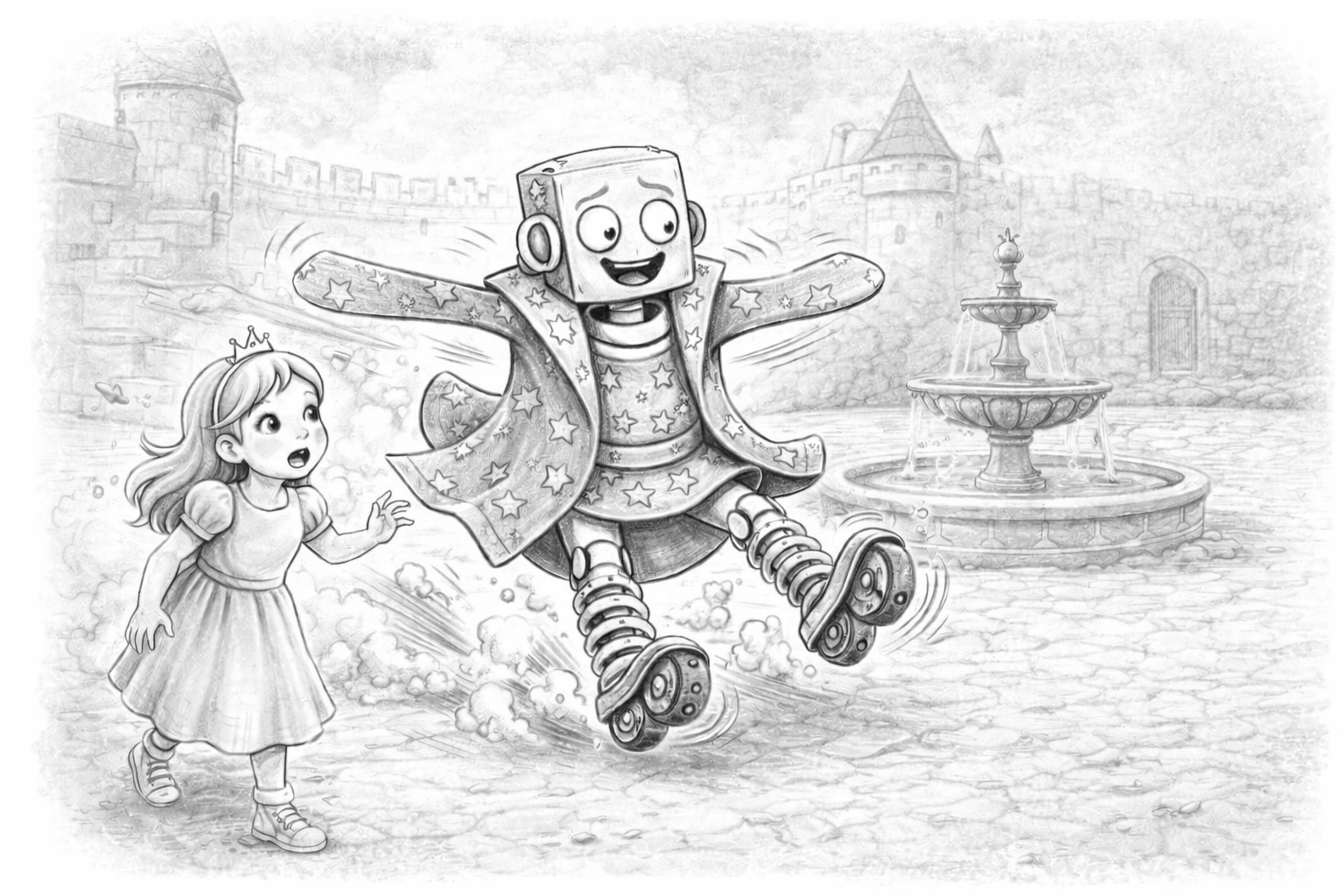
Children with impulse challenges often act before they've connected their action to a reason. The gap between feeling and doing is where things go sideways — and closing that gap doesn't require slowing everything down, just adding one small step.
Before your child acts on a big feeling or impulse, invite them to say out loud what they're doing and why. It doesn't have to be formal. "I'm going to my room because I need quiet" or "I want to run because I have too much energy" is enough. Saying the reason aloud engages a different part of the brain than pure impulse. Over time this becomes internalized — but starting out loud, even if it feels silly, is what makes it stick.
Staying With the Feeling
Our instinct as parents is to fix our children's hard feelings as quickly as possible. But children who learn that feelings must be immediately resolved often struggle more, not less — because real emotions don't work on a timer.
When your child is in the middle of a big feeling, try resisting the urge to fix it right away. Instead, stay near. Acknowledge what they're feeling without rushing past it. "That feels really hard right now" is often more helpful than a solution. Let the feeling be as big as it needs to be for a few minutes, with you present and calm beside them. Children learn to tolerate difficulty not by having it removed, but by experiencing it safely alongside someone they trust.
A Gentle Note for Parents
I’m not a therapist or medical professional — just a parent sharing a few ideas that have helped in our home. Every child and family is different, so these suggestions are offered simply as friendly, parent-to-parent support rather than professional advice. If you have concerns about your child’s anxiety, sleep, or behavior, it’s always best to consult a qualified healthcare or mental health professional.