


For Grown-Ups Reading Monsters at Night
Every family is different. These are a few gentle ideas that helped in our house during nighttime worries and hard bedtimes.
Take what works and leave the rest.
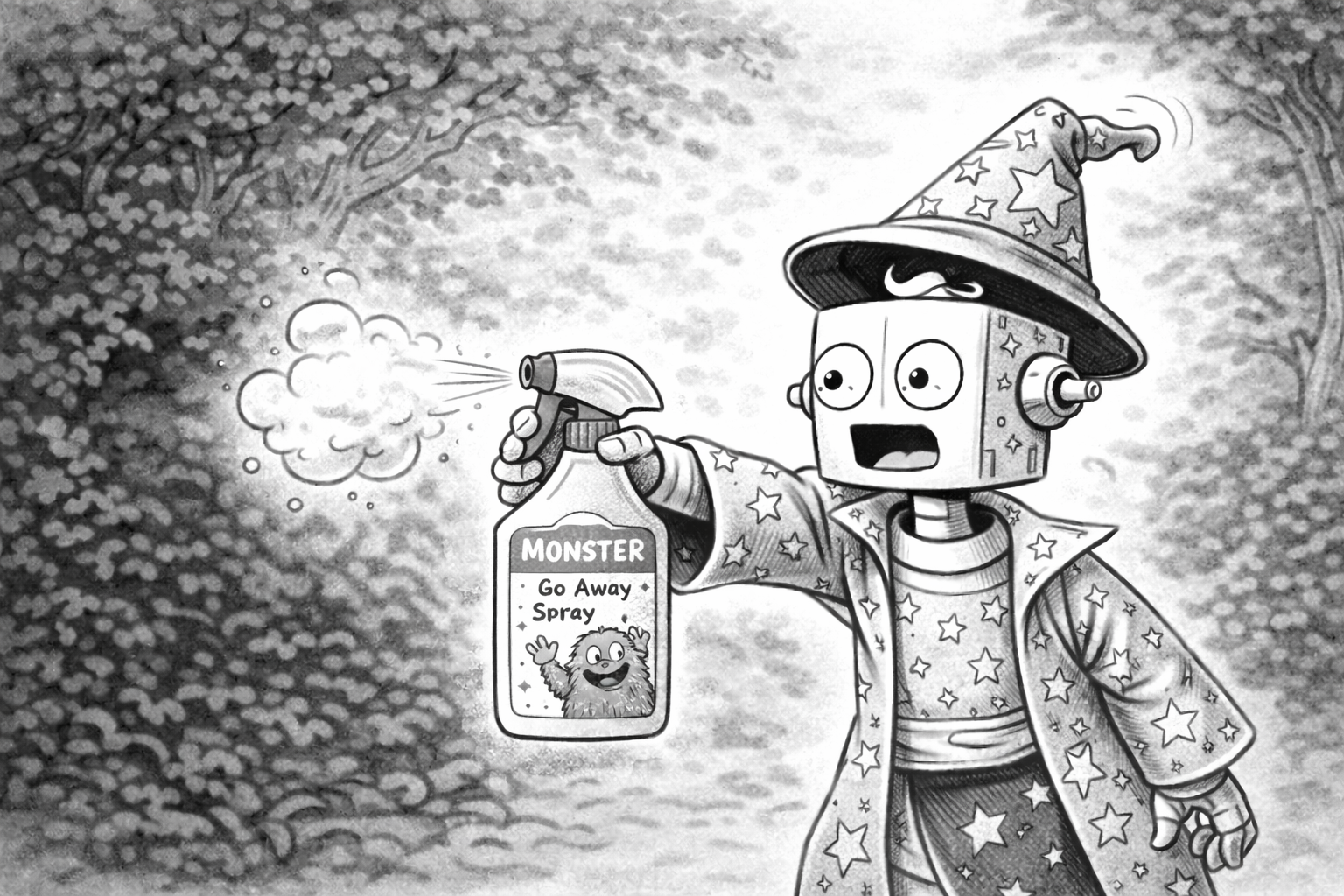
Monster Go-Away Spray
Sometimes nighttime fears don’t need complicated explanations — they just need something a child can do. A simple “monster go-away spray” can turn a scary moment into a calming bedtime ritual. To make one, fill a small spray bottle with water and add a drop or two of a gentle essential oil like lavender (optional). Let your child help decorate the bottle and give it a special name. Before bed, they can spray around their room together with you, creating a sense of comfort and control. The act of spraying gives children a tangible way to respond to their fears, helping worries feel smaller and bedtime feel safer.
10-Minute Check-In Timer
For children who struggle when a parent leaves the room, predictable reassurance can make bedtime feel safer. Setting a short timer together — like ten minutes — and promising to return when it goes off helps children know they aren’t being left alone indefinitely. The key is consistency: when the timer rings, calmly check in just as you promised.
Over time, this builds trust and helps children learn that separation is temporary and manageable.

Quiet Room Time for Older Kids
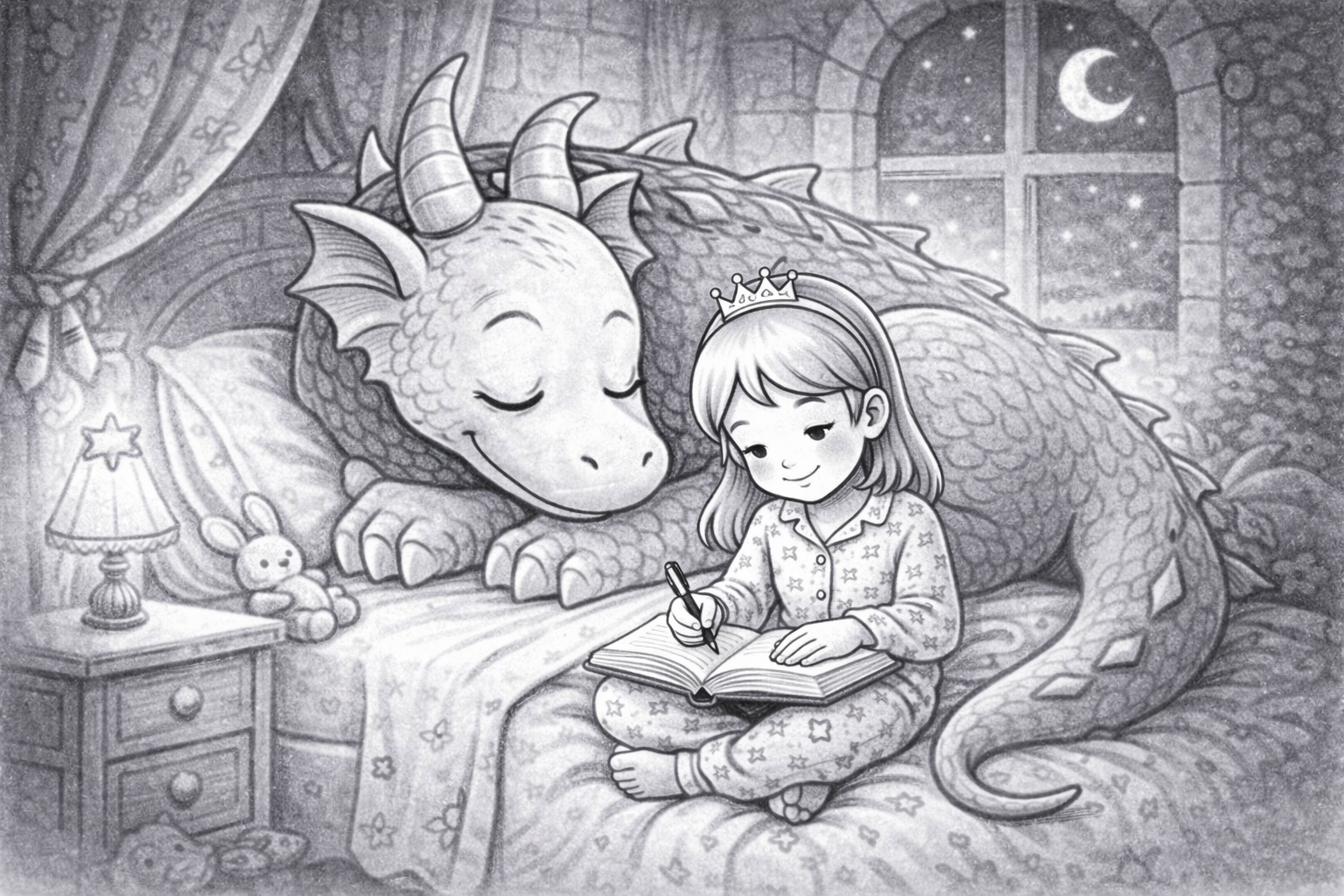
For some children, the pressure to fall asleep right away can make bedtime more stressful. Shifting the focus from “you must sleep now” to “your job is to stay in your room and keep things calm” can reduce that tension. Offering quiet activities like reading, drawing, or simple puzzles allows children to wind down at their own pace while still maintaining a peaceful bedtime routine. This approach gives older kids a sense of independence and control, helping sleep arrive more naturally.
Big feelings at bedtime don’t mean anything is wrong. Sometimes they just mean a child needs more support, more predictability, and a little more time.

A Gentle Note for Parents
I’m not a therapist or medical professional — just a parent sharing a few ideas that have helped in our home. Every child and family is different, so these suggestions are offered simply as friendly, parent-to-parent support rather than professional advice. If you have concerns about your child’s anxiety, sleep, or behavior, it’s always best to consult a qualified healthcare or mental health professional.